



From 360-degree feedback to 360-degree practice


360-degree feedback is popular.
Many organisations see it as a valuable way for colleagues to get to know one another better, give each other feedback and grow together.
Employees, colleagues and managers complete each other’s forms, and HR carefully oversees the process.
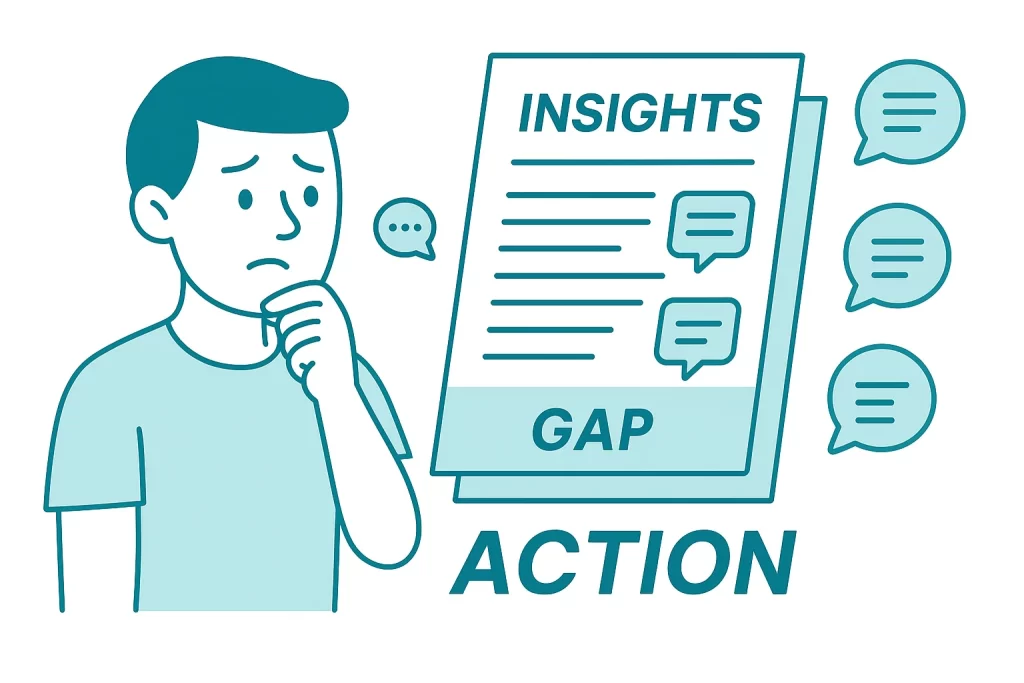
Yet, little often changes after the report is issued.
The insights are there, but behaviour remains the same.
Feedback is discussed, but rarely acted upon.
More and more organisations are therefore asking the same question:
how do we make feedback truly educational?
How do we ensure that feedback is not just an annual exercise,
but a habit, something people do every day and take for granted?
What is 360-degree feedback?
With 360-degree feedback, you gather information about behaviour from different perspectives: colleagues, managers, and sometimes customers.
You get a broad picture of how someone comes across, but it often stops at observation.
In practice, little is done with those insights to actually improve.
Why 360-degree feedback often falls flat
- Feedback is too general: “could listen better” or “could be more direct” doesn’t help without context.
- There is no follow-up: people do not know how to do things differently.
- Feedback creates tension: without a safe environment to practise in, people don’t dare to experiment with new behaviour.
This is where the bridge lies: from evaluation to experience.
The next step: practising 360-degree feedback
With our AI role-plays, you can translate 360-degree feedback into realistic learning moments.
Suppose your feedback shows that you don’t listen enough.
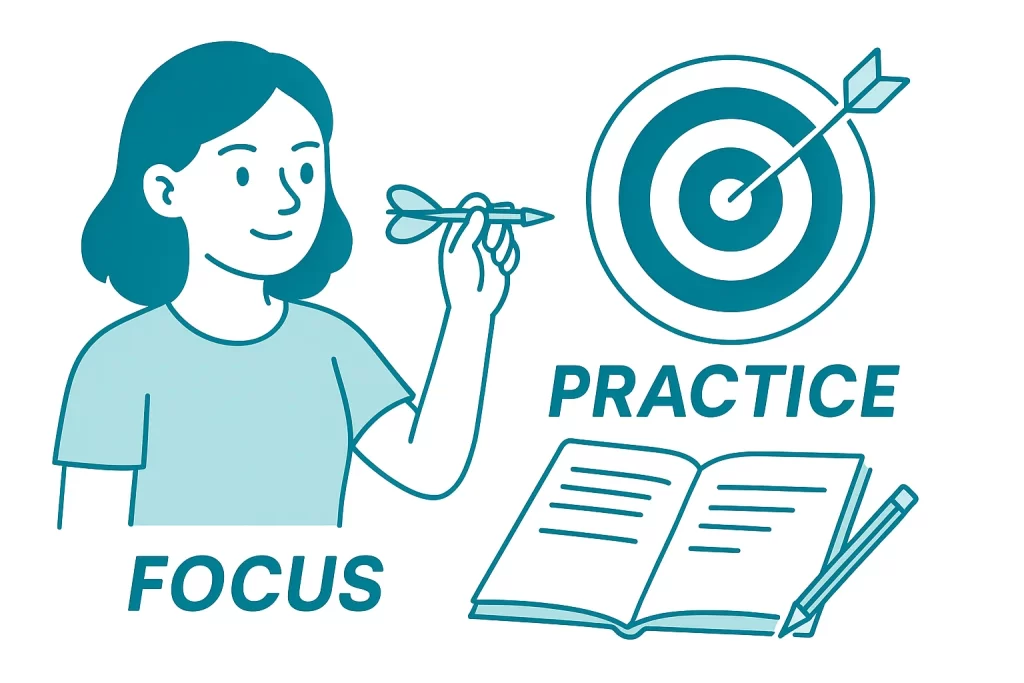
In PractAIce, you practise conversations where that behaviour occurs.
The AI avatar reacts to your communication, interruptions or, conversely, silence.
Afterwards, you see how the conversation went. What went well, what could have been better and why.
This is how you link feedback to real behaviour.
The benefits for organisations
- Continuous learning: feedback is not a snapshot but an ongoing learning process.
- Measurable growth: PractAIce shows development per competency.
- Safe practice: employees train without fear of judgement.
- Cultural change: giving and receiving feedback becomes the new normal.
Frequently asked questions about 360-degree feedback
What is the purpose of 360-degree feedback?
To gain insight into behaviour from multiple perspectives.
What do you do with 360-degree feedback?
Use it to formulate learning objectives and practise behaviour.
How do you make 360-degree feedback effective?
By linking it to practical exercises, such as AI avatars in PractAIce.
In conclusion
Feedback without practice remains theory.
Organisations that combine 360-degree feedback with AI exercises see real behavioural change.
From measurement to learning. From report to result.
Would you like to discover how PractAIce enhances feedback in your organisation?
Feel free to request a demo via www.practaice.nl.